The enduring appeal of antique scriptures
There is something uniquely evocative about holding a book that has survived several centuries. Unlike modern paperbacks that are often produced with planned obsolescence in mind, antique Bibles were frequently crafted to be the centrepiece of a home for generations. When people search for old bibles for sale, they are rarely just looking for a book to read; they are searching for a tangible connection to the past, a piece of art, or a family heirloom that carries the weight of history in its vellum or leather-bound pages.
The market for rare religious texts has remained remarkably resilient over the years. This is partly because the Bible was often the most significant purchase a family would make in the 17th, 18th, or 19th centuries. Because of this importance, these volumes were often treated with immense care, stored in dry places, and passed down with reverence. Today, collectors and historians alike seek out these treasures to appreciate the craftsmanship of a bygone era, from the intricate woodcut illustrations to the hand-tooled gold leafing on the spines.
What makes an old Bible valuable
When you start browsing for old bibles for sale, you will quickly notice a vast range in pricing and quality. Understanding what contributes to the value of an antique Bible is essential for any prospective buyer. It is not always the oldest book that is the most valuable, though age certainly plays a significant role. Collectors typically look for a combination of rarity, condition, and historical significance.
Key factors in determining value
- The Translation: Early English translations like the Geneva Bible or the first editions of the King James Version (1611) are highly sought after.
- The Printer: Certain printing houses, such as those in London, Oxford, or Edinburgh, were known for their superior quality and accuracy.
- Provenance: If a Bible can be traced back to a specific historical figure or contains detailed family records in the centre pages, its value increases significantly.
- Condition of the Binding: Original leather bindings, especially those in ‘Morocco’ (goatskin) or calfskin, are much more desirable than modern re-bindings.
- Completeness: A Bible is much more valuable if it includes the original title pages, maps, and any included illustrations or plates.
The different types of Bibles you might encounter
The world of antique books is vast, and the variety of editions available can be overwhelming for a newcomer. Most people looking for old bibles for sale will encounter a few common categories. Understanding these can help you narrow down your search to something that truly fits your interests or your library’s aesthetic.
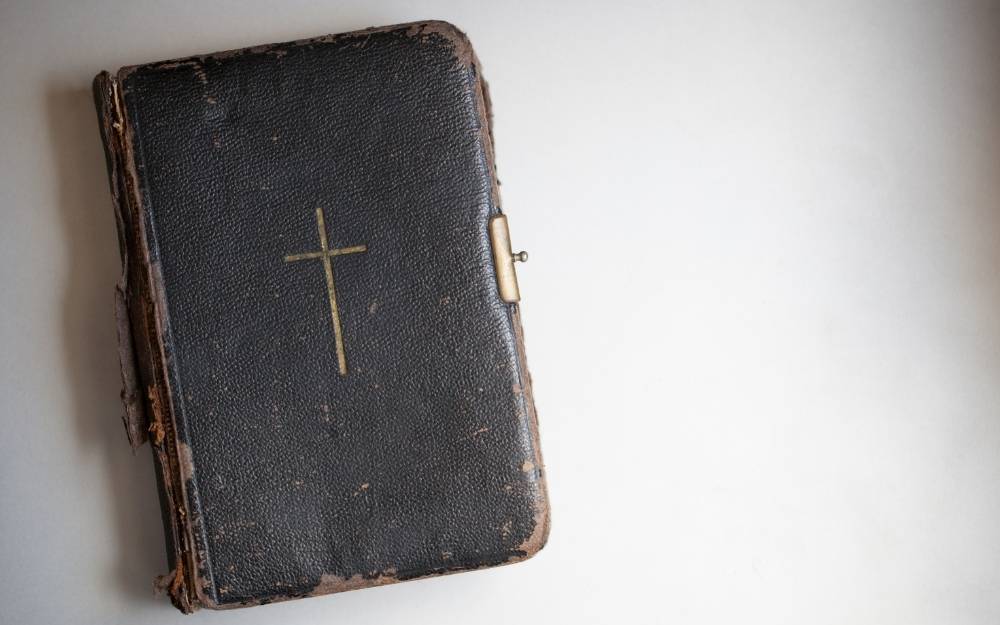
Family Bibles from the Victorian era are perhaps the most common. These are often large, heavy ‘pulpit’ style books with deeply embossed covers and brass clasps. They frequently contain beautifully coloured lithographs and dedicated pages for recording births, marriages, and deaths. These are wonderful for those interested in genealogy or social history. On the other end of the spectrum are the smaller, portable ‘pocket’ Bibles used by soldiers or travellers, which often show more wear and tear but carry a profound sense of personal history.
For the serious collector, ‘Breeches Bibles’ (a nickname for certain editions of the Geneva Bible) or early 17th-century King James editions represent the pinnacle of English Bible printing. These books reflect the religious and political turmoil of their time, and owning one is like owning a piece of the foundation of the modern English language. If you are looking to acquire a truly special piece of history, you can find a curated selection of old bibles for sale through specialised dealers who understand the nuances of these rare editions.
How to assess the condition of an antique Bible
When buying online or at auction, assessing the condition is the most challenging part of the process. Photos can sometimes be misleading, and what one person describes as ‘good’ might be seen as ‘poor’ by a seasoned collector. If you are looking at old bibles for sale, it is important to ask specific questions about the state of the paper and the binding.
Common condition issues to watch for
- Foxing: These are the small brown spots caused by mould or oxidation of minerals in the paper. While common, excessive foxing can detract from the legibility and value.
- Red Rot: This affects leather bindings, where the leather begins to crumble into a fine red powder. It can be treated but is often a sign of poor storage conditions.
- Loose Leaves: Check if the ‘signatures’ (the groups of folded pages) are still firmly attached to the spine.
- Missing Title Pages: The title page is the most important leaf in the book for verification; its absence significantly lowers the market value.
Building and maintaining your collection
Once you have acquired a few pieces, the focus shifts to preservation. Old paper is sensitive to its environment. Ideally, Bibles should be kept in a room with a stable temperature and humidity level. Drastic fluctuations can cause the leather to crack and the paper to become brittle. Avoid keeping your collection in direct sunlight, as UV rays will fade the ink and damage the delicate fibres of the binding.
When handling your Bibles, it is a common misconception that you must wear white cotton gloves. Most modern conservators actually recommend clean, dry hands, as gloves can reduce your dexterity and make it more likely that you will accidentally tear a fragile page. Instead, focus on supporting the spine. Never open an antique Bible to a full 180 degrees if the binding feels tight; use a book cradle or a soft cushion to support the covers at a gentle angle.
The market for these books is not just about investment; it is about stewardship. Many collectors feel they are simply the current guardians of these texts, responsible for keeping them safe for the next generation. Whether you are interested in the theological history, the evolution of the English language, or the sheer beauty of antique bookbinding, searching for old bibles for sale is the start of a fascinating journey into the heart of Western culture and printing history.
Where to source authentic editions
Finding a reputable source is paramount when dealing with antiquarian books. While general online marketplaces sometimes have hidden gems, they also carry risks of misattribution or undisclosed damage. Specialised book fairs and dedicated theological booksellers are often the best places to find high-quality copies. These sellers have the expertise to verify the age and authenticity of the paper, the watermarks, and the printing techniques used. They can provide the historical context that makes a specific copy stand out from the rest, ensuring that what you are adding to your collection is exactly what it claims to be.
As you expand your search, consider focusing on a specific niche, such as Bibles with particular types of illustrations, editions from a specific geographical region, or translations that were significant to a particular religious movement. This focused approach often leads to a more cohesive and personally meaningful collection over time.

An art historian and visual culture analyst who writes extensively on the evolution of contemporary art movements, classic European painters, and the intersection of art and politics. His work bridges critical theory with compelling storytelling.
